
Septic tanks play a crucial role in the wastewater management system for homes that are not connected to a municipal sewer system. Regular cleaning and maintenance of septic tanks are essential to ensure their efficiency and longevity. Neglecting this vital aspect can lead to significant issues, including system failure and costly repairs. In this article, we will explore the importance of septic tank cleaning, signs that indicate your tank needs attention, and best practices for maintaining a healthy septic system.
Understanding Septic Tanks
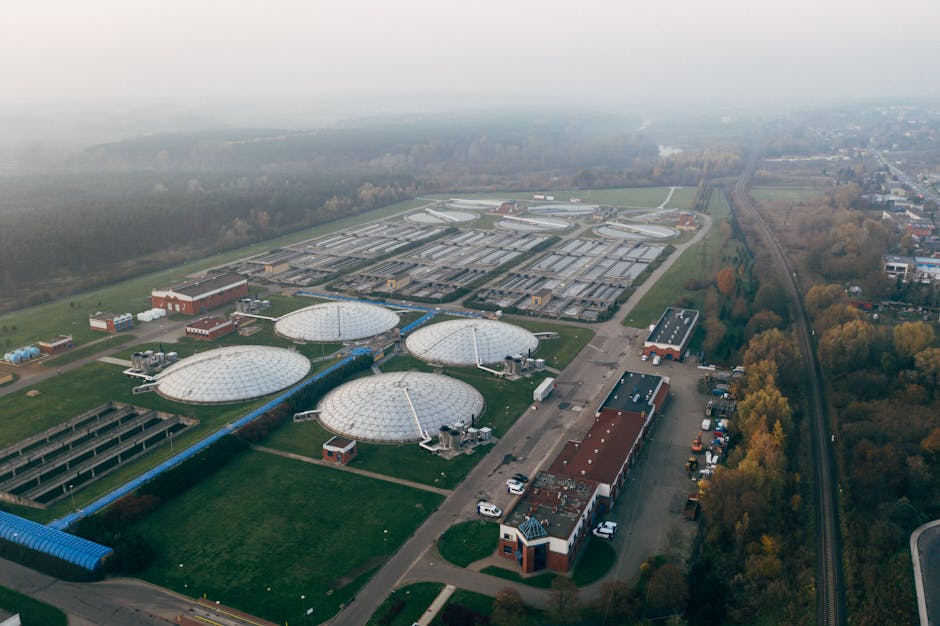
Septic tanks are underground chambers made of concrete, fiberglass, or plastic that treat wastewater from your home. They utilize a natural process of separation and decomposition to break down solids and effluent. The tank is designed to hold sewage long enough for solids to settle at the bottom, forming sludge, while lighter materials like grease float to the top, creating a scum layer. Understanding how your septic tank works is the first step in ensuring its proper maintenance.
According to the Environmental Protection Agency (EPA), approximately 25% of the United States population relies on septic systems for wastewater treatment. This reliance underscores the importance of maintaining these systems to prevent environmental contamination and protect public health.
Signs Your Septic Tank Needs Cleaning
There are several indicators that your septic tank may require cleaning. One of the most common signs is a foul odor near the tank or drain field. This odor suggests that the tank is full and needs to be emptied. Additionally, you may notice slow drains or gurgling sounds in your plumbing, which can indicate a blockage or buildup of sludge in the tank.
Another critical sign is the presence of standing water or lush greenery above the drain field. This can signify that the tank is overflowing or that the effluent is not being absorbed properly into the ground. If you experience any of these symptoms, it’s essential to schedule a septic tank cleaning service promptly.
The Cleaning Process
Cleaning a septic tank involves the removal of sludge and scum from the tank to ensure it functions effectively. The process typically begins with a professional inspection of the tank to assess its condition. Once the inspection is complete, a vacuum truck is used to pump out the contents of the tank, removing the accumulated solids and liquids.
During the cleaning process, the technician will also check for any signs of damage or wear in the tank and the connected plumbing. This preventive maintenance can help identify potential issues before they become significant problems, potentially saving homeowners from costly repairs down the line.
Best Practices for Septic Tank Maintenance
To prolong the lifespan of your septic system, regular maintenance is key. The EPA recommends having your septic tank pumped every three to five years, depending on the size of the tank and the number of occupants in your home. However, your specific needs may vary based on usage and water consumption habits.
In addition to regular pumping, homeowners should be mindful of what goes down the drains. Avoid flushing non-biodegradable items, such as wipes, feminine hygiene products, and grease, as these can cause blockages and increase the frequency of required cleanings. Furthermore, routine inspections of the tank and drain field can help catch issues early, ensuring that your septic system remains in good condition.
For those looking to enhance their septic maintenance routine, consider implementing water-saving fixtures in your home. Reducing water usage can decrease the amount of wastewater entering the system, ultimately extending the time between cleanings. You can also consult with professionals who specialize in septic maintenance for tailored advice and services.
Conclusion
In conclusion, septic tank cleaning is an essential aspect of maintaining a healthy wastewater system. By understanding how your septic tank works, recognizing signs of trouble, and adhering to best practices for maintenance, you can ensure the longevity and efficiency of your system. Regular cleaning not only protects your investment but also safeguards the environment and public health. If you have any concerns about your septic system, don’t hesitate to reach out to a professional for assistance.